evergreen guide
Brazil is home to the largest Japanese community outside of Japan, with Japanese…
Brazil is home to the largest Japanese community outside of Japan, with Japanese immigration beginning on June 18, 1908, when the ship Kasato-Maru arrived at the Port of Santos with 781 immigrants. These pioneers came mainly to work on the coffee farms of São Paulo and Paraná.…
Human Rights Hub. General information; confirm the current rules before acting.
Overview
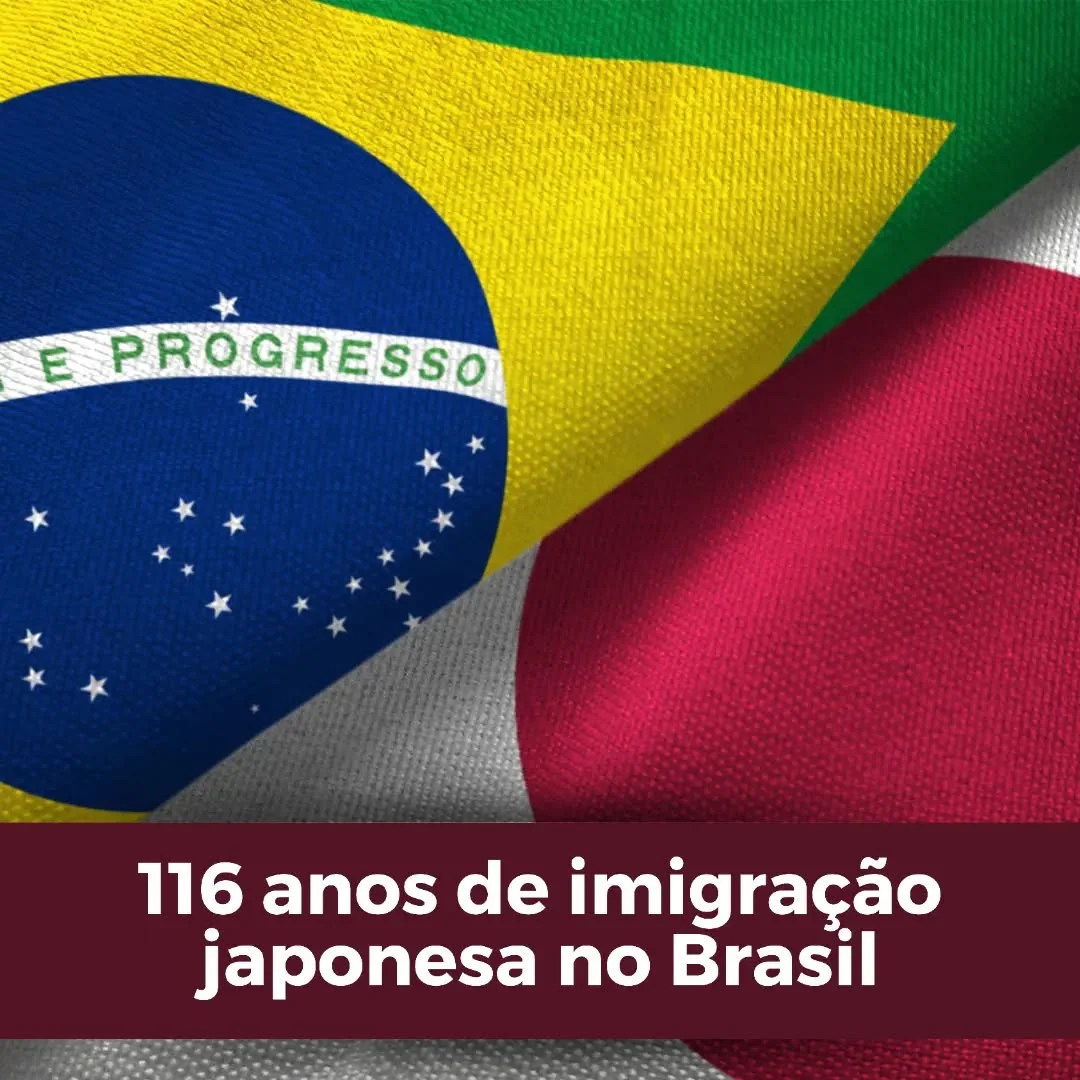
Brazil is home to the largest Japanese community outside of Japan, with Japanese immigration beginning on June 18, 1908, when the ship Kasato-Maru arrived at the Port of Santos with 781 immigrants. These pioneers came mainly to work on the coffee farms of São Paulo and Paraná. Over the years, more Japanese arrived and spread throughout Brazil, contributing significantly to the local economy. In addition to coffee plantations, immigrants dedicated themselves to rubber production in the Amazon and pepper plantations in Pará. Initially, immigration was marked by challenges. Immigrants faced language barriers, cultural differences and difficult working conditions on farms, preventing them from returning to Japan to fulfill contracts. Despite protests and strikes, many Japanese established themselves as independent farmers. Most immigrants came from provinces such as Okinawa, Kagoshima, Kumamoto, Fukushima and Hiroshima, seeking a better life in Brazil. During World War II, Japanese people in Brazil faced discrimination and repression, including a ban on the use of the Japanese language. Even so, after the war, Japanese immigration increased again and the Japanese-Brazilian community consolidated. Today, it is estimated that around 2.7 million Japanese people and their descendants live in Brazil. They enriched Brazilian multiculturalism and contributed significantly to economic development, especially in agriculture, commerce and industry. The history of Japanese immigration in Brazil is proof of the mutual contribution between the two nations.