legal guidance
Brazil hosts the largest Japanese community outside Japan, with immigration starting…
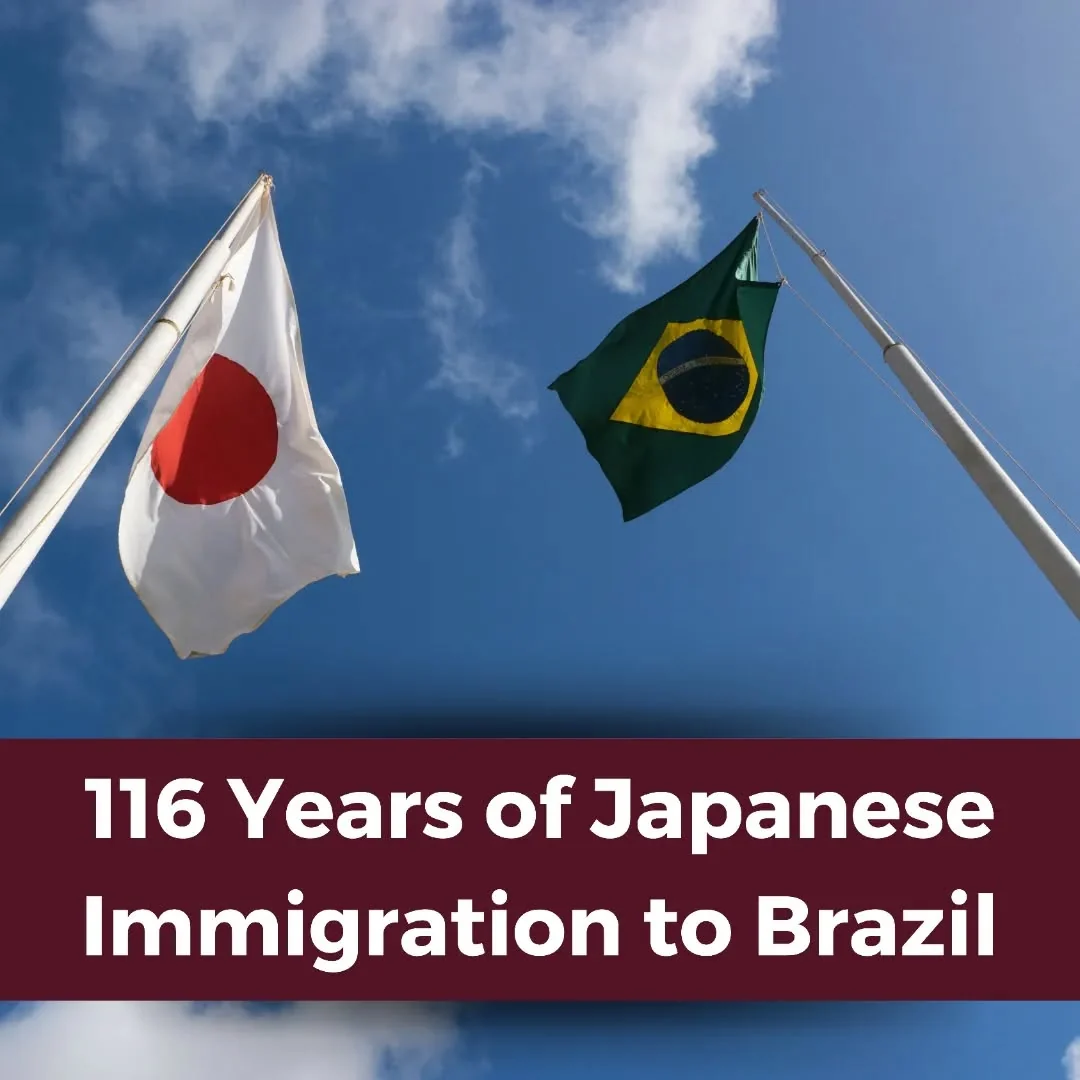
Brazil hosts the largest Japanese community outside Japan, with immigration starting on June 18, 1908, when the ship Kasato-Maru arrived at the Port of Santos with 781 immigrants. These pioneers, including men, women, and children, primarily worked on coffee plantations in São…
Human Rights Hub. General information; confirm the current rules before acting.
Overview
Brazil hosts the largest Japanese community outside Japan, with immigration starting on June 18, 1908, when the ship Kasato-Maru arrived at the Port of Santos with 781 immigrants. These pioneers, including men, women, and children, primarily worked on coffee plantations in São Paulo and Paraná. Over time, more Japanese immigrants arrived, spreading to other regions, establishing agricultural colonies, and contributing significantly to the local economy through coffee, rubber, and pepper production. Initially, the immigrants faced challenges like language barriers, cultural differences, and harsh working conditions. Despite these difficulties, many Japanese became independent farmers, forming prosperous communities. Most immigrants came from provinces like Okinawa, Kagoshima, Kumamoto, Fukushima, and Hiroshima, seeking better lives and opportunities. During World War II, Japanese in Brazil faced discrimination and repression, including the prohibition of their language and cultural expressions. After the war, Japanese immigration resumed, and the community integrated deeply into Brazilian society. Today, around 2.7 million Japanese and their descendants live in Brazil, mainly in São Paulo. They have enriched Brazilian multiculturalism and contributed significantly to economic development, particularly in agriculture, commerce, and industry. The history of Japanese immigration to Brazil highlights resilience and mutual contribution, forging a lasting bond between the two nations. Legal guidance can help clarify the applicable rules, the risks involved, and the next step that fits your situation.